

A familiar morning often starts with a strong coffee, a rushed breakfast, and a mental calculation about whether another cup will help or just leave you restless later. You may have seen functional mushroom powder beside the coffee, matcha, or protein products and wondered whether it's a meaningful ingredient or just another wellness trend.
The useful answer depends less on attractive packaging than on what the powder contains, how it was processed, and whether its label gives you enough information to judge it. Functional mushrooms can be sold as raw powders, concentrated extracts, capsules, gummies, or drinks. Those formats aren't interchangeable. Learning the difference helps you choose a product that fits your routine without confusing a large ingredient weight with a high-quality mushroom extract.
Table of Contents
- Understanding Functional Mushroom Powder
- Why Powder Dominates the Wellness Market
- Comparing the Core Mushroom Varieties
- Decoding Extraction and Sourcing Methods
- Identifying Quality Markers and Purity
- Integrating Powders into Daily Routines
- Building a Sustainable Wellness Strategy
Understanding Functional Mushroom Powder
A functional mushroom is different from a mushroom chosen primarily for cooking. Culinary mushrooms are valued for flavor, texture, and nutrition. Functional varieties are used in wellness products because they contain compounds such as polysaccharides, beta-glucans, triterpenes, and sterols. These compounds help explain why species such as Lion's Mane, Reishi, and Cordyceps appear in powders, capsules, beverages, and botanical blends.
The word “functional” describes the intended role of the ingredient in a wellness routine. It doesn't mean the mushroom is a medicine, and it doesn't guarantee a particular result. A careful label should tell you the species, the part of the mushroom used, the amount provided, and whether the material is a powder or an extract.
A practical distinction: the mushroom name tells you what the ingredient is. The processing and testing details tell you how much confidence you can place in the label.
Consider a person who adds a small scoop to morning oats or coffee. A raw powder may provide the ground mushroom material itself, including fiber and naturally occurring compounds. An extract has been processed to concentrate certain constituents, so the same weight of powder and extract shouldn't automatically be treated as equivalent. This is why “milligrams per serving” is useful, but incomplete without the extraction method and standardization information.
Functional mushroom powder also differs from a conventional vitamin. A vitamin label usually identifies a familiar nutrient and its amount. Mushroom products require more questions: Is the material from the fruiting body or mycelium? Was it extracted with water, alcohol, or both? Does the laboratory report measure beta-glucans, or only broad polysaccharides?
For a plain-language introduction to the category and its common uses, the functional mushroom benefits guide offers useful background. Keep the same balanced approach when reading any supplement description. A product can complement a varied diet and consistent habits, but it shouldn't replace sleep, adequate food, movement, or professional medical guidance.
The category has moved well beyond a niche ingredient. One widely cited estimate placed the global functional mushroom market at USD 31.7 billion in 2023, with a projection of USD 65.8 billion by 2030, implying an 11.2% compound annual growth rate from 2024 to 2030. These figures are market estimates, not proof that every product works equally well, but they show why consumers need better label literacy as mushroom products become more common.
Why Powder Dominates the Wellness Market
Powder succeeds because it fits the way people already build routines. You can stir it into coffee, blend it into a smoothie, mix it with yogurt, or add it to a savory broth. That flexibility gives powder an advantage over a fixed-format product when the user wants to adjust the serving, combine ingredients, or avoid swallowing capsules.
Market data supports the format's importance. One report estimated that powder captured 75.74% of functional mushroom revenue in 2025, while dietary supplements represented 38.55% of category spending in the same year. The report also projected the broader market to rise from USD 12.06 billion in 2025 to USD 20.74 billion by 2031, at a 9.45% compound annual growth rate. These are projections and estimates, but they show that powder is not a minor delivery option. It sits at the center of how many consumers encounter functional mushrooms.
Why people choose powder
Dose flexibility matters for users who want to start cautiously or combine a mushroom with another drink. Powder also makes it easier to use a product in a food-first routine, rather than adding another capsule window to the day.
Mixability is another advantage. A well-milled powder can disappear into coffee, cocoa, a fruit smoothie, or a warm soup. Cold liquids may require more stirring, while fats, proteins, or thicker drinks can help disguise earthy flavors.
Ingredient simplicity can be easier to assess. A plain powder doesn't need the sweeteners, flavor system, or chewy base that a gummy may require. That doesn't make every powder superior. It means the consumer can compare the mushroom ingredient more directly.
Gummies and liquids still have legitimate uses. Gummies may suit someone who dislikes earthy flavors, while a liquid can be convenient for people who don't want to mix anything. Recent market data indicates that gummies are growing faster than powder, with gummies up 127.1% in dollars and 184.9% in units, while powder remained the largest form at USD 110.8 million. The same data suggests a practical information gap: many buyers need help deciding when powder's dose control, mixability, and routine value outweigh the convenience of a ready-to-use format.
Capsules sit between the two. They offer portability and consistent serving instructions, but they don't provide the same freedom to blend a powder into a drink. For comparison, Argi-Max NexiHerb L-Arginine, L-Citrulline-DL-Malate, and beet root powder is a capsule supplement containing amino acids and beet root powder, not a mushroom product. Its format illustrates the broader trade-off: capsules can simplify use, while powders provide more control over how an ingredient enters a daily routine.
Comparing the Core Mushroom Varieties
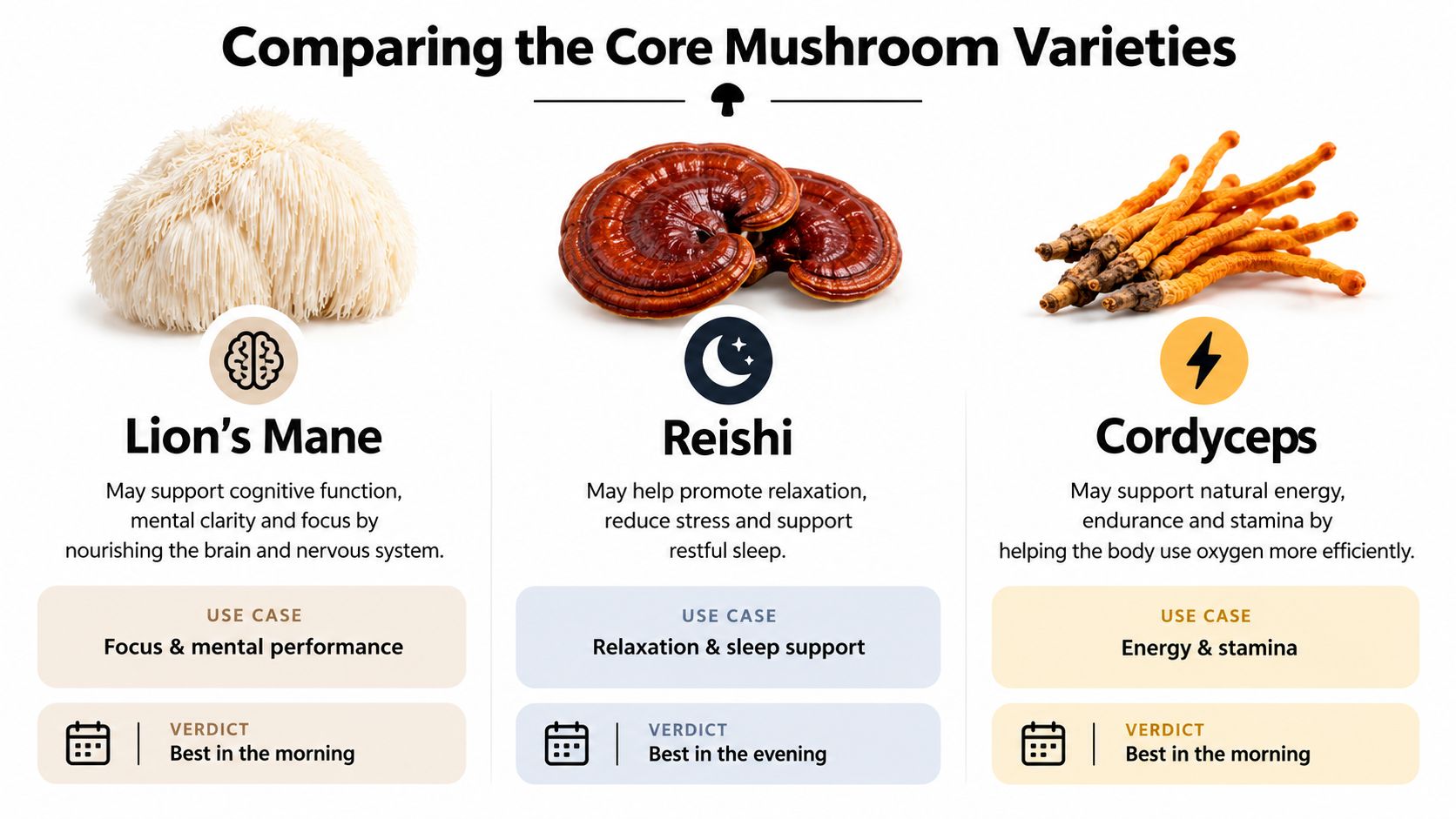
Choosing between mushroom varieties is easier when you connect each one to a routine rather than treating all mushrooms as interchangeable. Lion's Mane is commonly selected for a focus-oriented routine, Reishi for an evening or relaxation-oriented routine, and Cordyceps for an active or stamina-oriented routine. These are proposed wellness uses, not promises of a medical outcome.
Think of the three as different tools in a kitchen. Lion's Mane is like a planner, useful when your routine centers on concentration and mental work. Reishi is more like an evening anchor, associated with a slower, calmer ritual. Cordyceps resembles a training partner, often chosen by people who want to support an active lifestyle.
Lion's Mane for a focus-centered routine
Lion's Mane, also known as Hericium erinaceus, is often included in products designed around mental clarity, focus, and nervous-system support. Its naturally occurring compounds include hericenones and other constituents that have made it a popular subject in mushroom research. That interest doesn't mean a powder will produce an immediate stimulant-like effect.
The practical timing is usually earlier in the day, especially if the user wants to associate it with work, study, or a morning beverage. Start with the product's serving guidance rather than copying a dose from another mushroom. A raw powder, concentrated extract, and blend may provide very different amounts of active material even when their labels display similar weights.
Reishi for an evening ritual
Reishi, or Ganoderma lucidum, is commonly chosen for a calm, recovery-oriented routine. Its triterpenes and polysaccharides help explain why extraction matters particularly for this species. A product intended for evening use may fit better in a warm, non-caffeinated drink than in a morning coffee, although personal tolerance and preference should guide timing.
People often associate Reishi with relaxation and sleep support, but supplement language should remain measured. It isn't a sedative by definition, and individual responses vary. Anyone taking medication or managing a health condition should check with a qualified healthcare professional before adding a concentrated extract.
For a separate overview of traditional context and common product considerations, the Maximum Health Products reishi guide can provide another point of reference. Use it alongside the product's own testing and labeling information rather than treating any single guide as a substitute for personalized advice.
Cordyceps for an active routine
Cordyceps is often selected by people interested in energy, stamina, and exercise support. It isn't the same as caffeine, and a powder shouldn't be expected to create the sharp jolt associated with a stimulant. Some users prefer it earlier in the day or before activity because that timing connects the ingredient to an existing movement habit.
The species listed on the label matters. “Cordyceps” alone doesn't tell you whether the product contains Cordyceps militaris, another cultivated material, or a mycelial ingredient. Clear labeling helps you compare products without assuming that every Cordyceps powder has the same composition.
| Variety | Common routine focus | Practical timing idea |
|---|---|---|
| Lion's Mane | Focus and mental clarity | Morning or during a work block |
| Reishi | Relaxation and evening recovery | Later in the day |
| Cordyceps | Activity and stamina | Earlier in the day or around exercise |
Decoding Extraction and Sourcing Methods
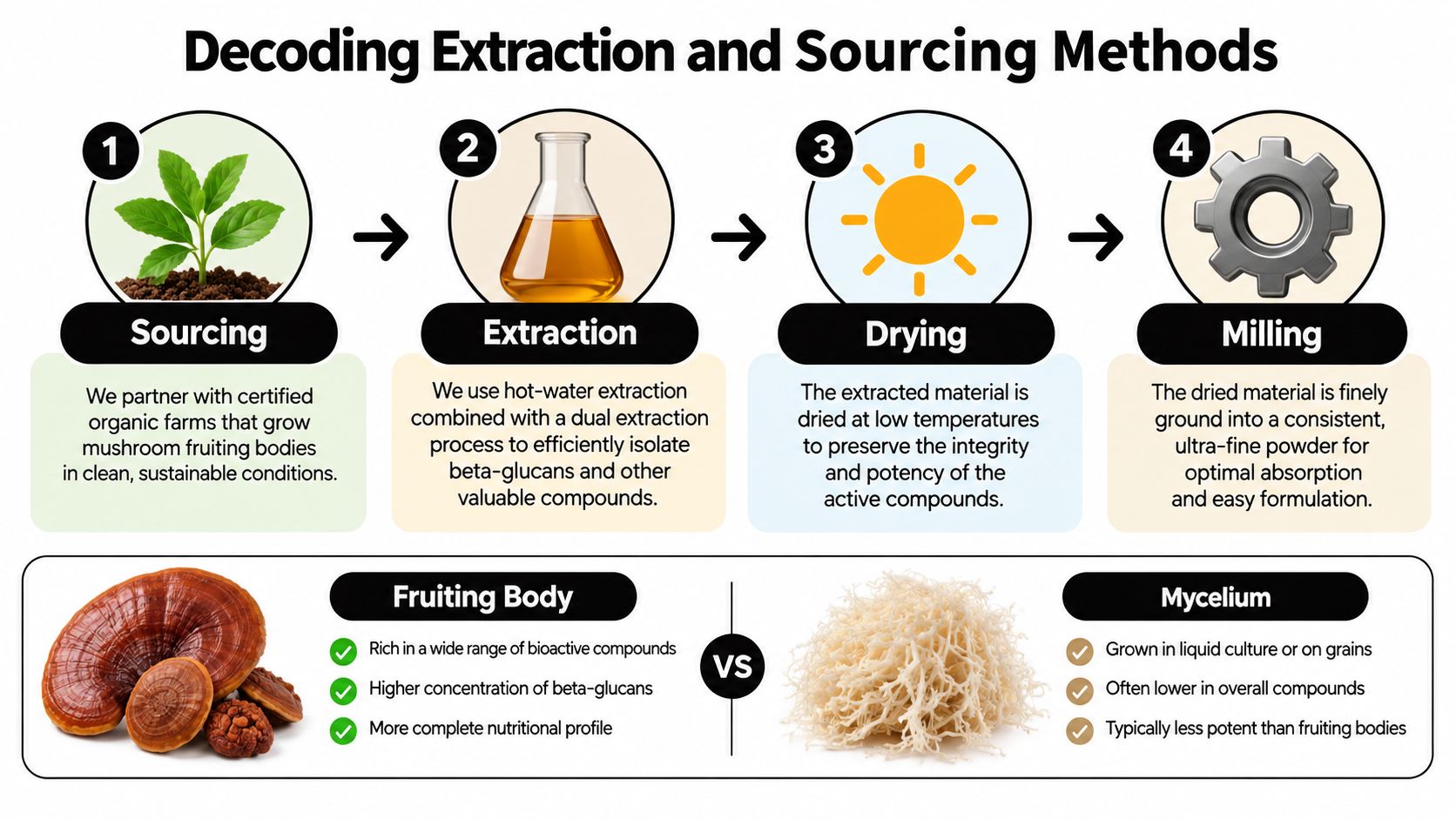
A package can say “mushroom powder” while containing very different materials. Start by asking what part of the mushroom is in the package? The fruiting body is the visible structure recognized as a mushroom. Mycelium is the filament-like network that grows through a substrate. Both may contain useful compounds, but mycelium cultivated on grain creates a quality question: does the finished powder contain mostly mushroom material, or a mixture of mycelium and grain?
When grain is dried and milled with mycelium, starch can make up a meaningful share of the final weight. A large serving size therefore says little about the amount of mushroom biomass present. Look for fruiting body, fruiting body extract, or a clear statement that the grain substrate was separated. For Reishi, sourcing and labeling can vary between products, so the best reishi mushroom supplements guide offers another point of comparison. Use it alongside the product's own testing and label details.
Extraction changes the profile
Extraction determines which compounds end up in the jar. Hot water draws out water-soluble compounds, including polysaccharides such as beta-glucans. Alcohol extraction is used when the producer also wants to retain alcohol-soluble compounds, including some triterpenes and sterols. A dual extraction combines both approaches, which may suit products intended to include both fractions.
That does not make dual extraction necessary for every formula. The appropriate method depends on the species, the compounds being targeted, and the product format. “Powder” and “extract” aren't synonyms. A label using the word extract should ideally state the extraction method and provide laboratory information that supports the claim.
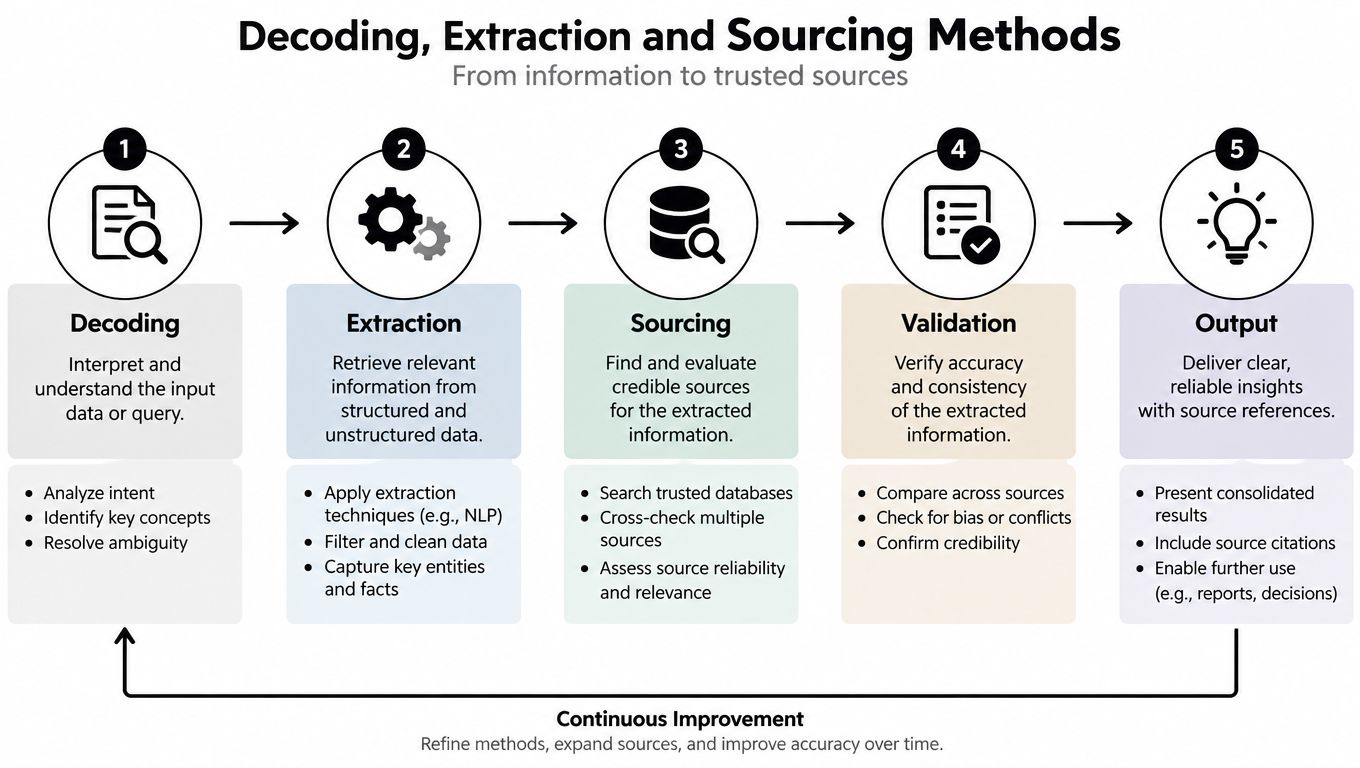
Label-reading rule: compare the mushroom part, extraction method, and beta-glucan result together. One impressive phrase on the front label isn't enough.
A hot-water process may fit a product focused on water-soluble polysaccharides. Alcohol or dual extraction may be more suitable when the formula also targets triterpenes and sterols. The Azarius wiki on technical guidance on tinctures, powders, and capsules recommends checking for beta-glucan testing instead of relying on a generic total-polysaccharide claim.
Sourcing transparency should continue through the finished product. Check whether the producer identifies the species, growing substrate, mushroom part, extraction process, and laboratory method. For a non-mushroom example, Maxi Berberine+ NexiHerb Berberine Extract Ceylon cinnamon and Milk Thistle lists its extracts and other ingredients clearly. Although it is not a mushroom supplement, that specificity shows the level of detail consumers can seek on botanical labels.
Identifying Quality Markers and Purity
A large serving weight can look persuasive, but beta-glucan content is a more practical quality marker for functional mushroom powder. Validated enzymatic assays can distinguish true beta-glucans from alpha-glucans, including starch. That distinction matters because starch can come from grain substrate and inflate a product's apparent polysaccharide content without representing the same mushroom-derived material.
Independent lab guidance notes that fruiting-body powders commonly test around 20% to 35% beta-glucans, while extracts may reach roughly 25% to 50% or more, depending on the species and extraction intensity. These ranges are reference points, not universal clinical thresholds. A result outside them doesn't automatically prove that a product is unsafe or ineffective, but it should prompt closer questions about species, processing, and testing.
Read the certificate, not only the front label
A Certificate of Analysis, or CoA, can show whether a batch was tested for potency and contaminants. Look for the product name or batch identification, the test method, the laboratory, and a result that specifically identifies beta-glucans. A generic “total polysaccharides” result is less informative because it may include inactive starches.
The most useful questions are practical:
- What was measured? Prefer a stated beta-glucan result over an unexplained polysaccharide percentage.
- How was it measured? Look for a validated enzymatic method.
- What material was tested? The report should correspond to the product and batch you're buying.
- What else was screened? Check whether the producer provides relevant purity and contaminant testing.
- Does the label identify the mushroom part? “Mushroom blend” is less useful than a clear fruiting-body or mycelium description.
High alpha-glucan content can indicate residual grain filler and lower functional density. That doesn't mean every product containing mycelium is automatically poor. The specific concern is mycelium-on-grain material that remains mixed with the substrate and isn't transparently described.
The useful comparison isn't “powder versus extract” alone. It is clean material versus diluted material, measured constituents versus vague wording, and traceable testing versus unsupported claims.
Choose a product with enough information to compare it with another product on equal terms. If the label hides the individual species, gives no beta-glucan result, and doesn't explain the mushroom part, you can't confidently judge value from the serving weight alone.
Integrating Powders into Daily Routines
The best routine is one you can repeat without friction. A small amount of functional mushroom powder may fit into a morning coffee, smoothie, oatmeal, cocoa, or savory broth. The earthy flavor is usually easier to manage when you combine it with ingredients that already have a strong profile, such as cacao, cinnamon, ginger, berries, or roasted coffee.
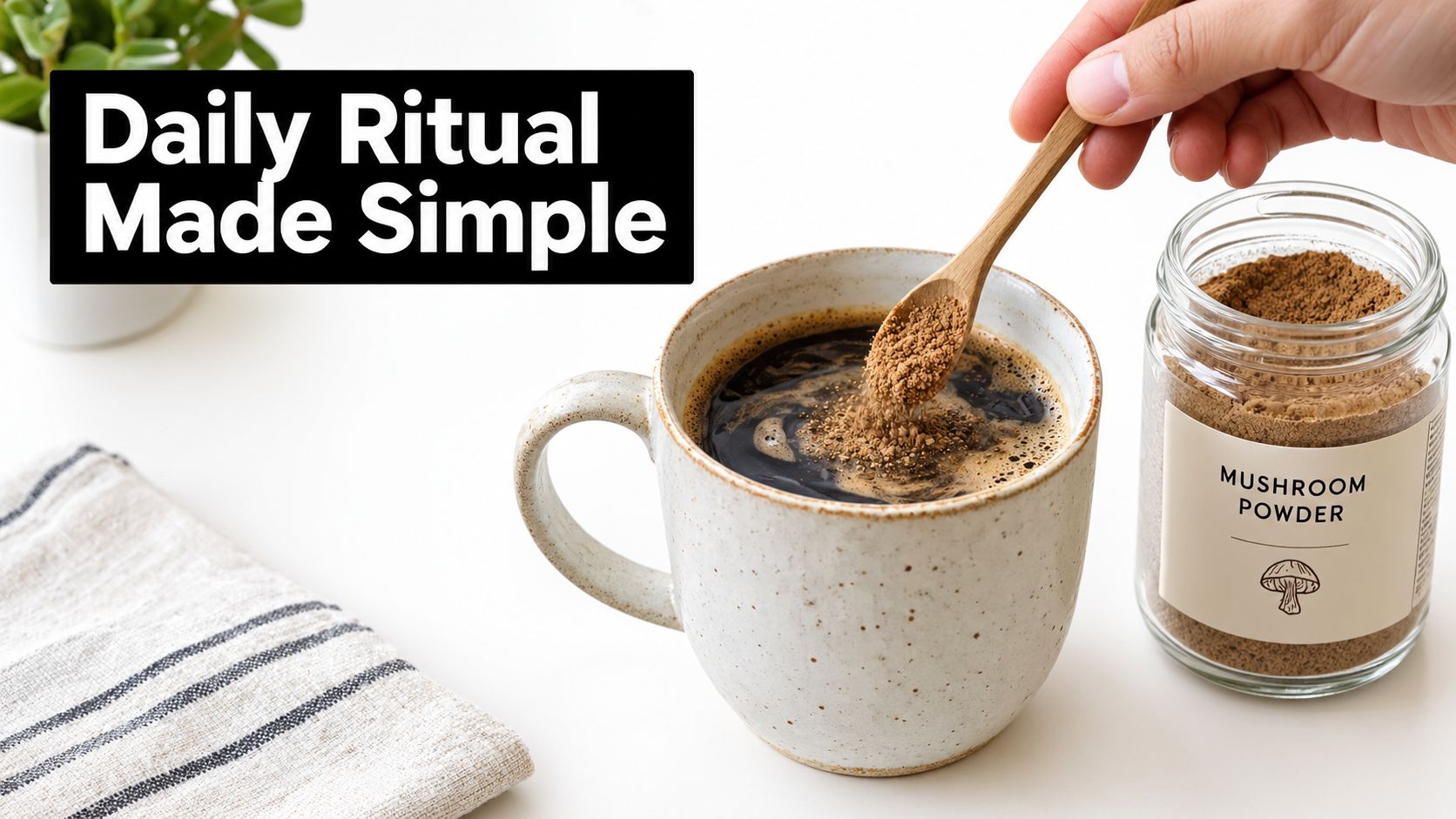
Start with the serving directions on the package. Don't assume that a scoop used for a raw powder should match a scoop used for a concentrated extract. If you're new to the ingredient, introducing one product at a time makes it easier to notice flavor, digestion, and tolerance.
Match timing to the habit
A morning Lion's Mane powder may pair naturally with a work or study routine. Cordyceps may fit an earlier active period, such as a walk or workout. Reishi is often more comfortable in an evening beverage, particularly if the product's flavor works with warm milk, herbal tea, or broth.
Those timing suggestions are organizational choices, not guaranteed physiological rules. The right schedule depends on your preferences, caffeine intake, meal pattern, and how your body responds. If a powder disrupts your sleep, causes digestive discomfort, or conflicts with a medication, stop and seek professional guidance.
For more general preparation ideas, the guide to taking herbal powders can help you think about consistency, mixing, and storage. Keep powders dry, use the supplied serving measure if one is provided, and close the container promptly after use.
Capsules can be the better format when taste is a barrier, travel is frequent, or a person wants a fixed serving without measuring. Powder is more flexible, but capsules are often simpler. Neither format is automatically higher quality. The deciding factors remain the mushroom material, extraction, beta-glucan testing, and transparency.
A short preparation demonstration can make the process less intimidating, especially for people who are unsure how powder behaves in a hot drink.
Avoid turning the powder into a substitute for a meal or using it to justify excessive caffeine, poor sleep, or an unbalanced diet. Functional mushrooms work best as one small part of a routine that already includes adequate nutrition and realistic recovery habits.
Building a Sustainable Wellness Strategy
A sustainable mushroom routine begins with a specific reason for using the product. You might want a blend that fits a morning beverage, a single species for a focused goal, or a capsule because you dislike earthy flavors. The choice becomes clearer when you define the routine before comparing labels.
Use this checklist when evaluating a product:
- Identify the species: Confirm whether it contains Lion's Mane, Reishi, Cordyceps, or another named mushroom.
- Check the mushroom part: Look for fruiting body or a transparent explanation of mycelium and substrate separation.
- Review extraction: Determine whether the product uses hot-water, alcohol, or dual extraction.
- Find beta-glucan data: Prefer a specific result from a validated enzymatic assay.
- Look for batch evidence: Read the available CoA and check what the laboratory measured.
- Choose a workable format: Select powder, capsule, liquid, or gummy based on what you'll use consistently.
- Keep expectations realistic: A supplement can complement a healthy lifestyle, but it isn't a quick fix or a treatment.
The market's scale helps explain the variety of products available. The quality markers help you distinguish them. A high-quality decision is less about finding the most dramatic promise and more about finding a formula whose ingredients, processing, testing, and format make sense together.
People who are pregnant, breastfeeding, managing a medical condition, or taking prescription medication should speak with a healthcare professional before using concentrated mushroom products. Reishi, Cordyceps, and other botanicals may not be appropriate for every person, and “natural” doesn't remove the need to consider interactions or individual sensitivity.
Choose one product, follow its label, and observe how it fits your daily life. Track simple markers such as whether you enjoy the taste, remember the routine, tolerate it well, and feel that the format offers enough value to continue. That approach is more reliable than changing several supplements at once or judging a product solely by its front-label claims.
NexiHerb LLC offers adult-oriented dietary supplements and nutrition guidance, including mushroom products in capsule format and formulas built around other plant-derived ingredients. Visit NexiHerb LLC to compare options, review clear product information, and choose a practical addition to your everyday wellness routine.