

Most advice about herbal powders starts with “stir one scoop into water.” That sounds practical, but it skips the question that determines whether the routine works: how much of the plant's useful compounds become available to your body? A raw powder can be convenient without being highly bioaccessible, and a badly mixed serving can create inconsistent dosing from one day to the next.
The better approach is to treat preparation as part of supplementation. You need to identify the product form, measure it accurately, disperse it properly, pair it with the right food or liquid, and protect it from moisture. The following method for how to take herbal powders focuses on those details, including when a standardized extract may be more predictable than a whole-herb powder.
Table of Contents
- The Absorption Gap in Herbal Powders
- Measuring Accurate Doses Without Guesswork
- Mixing Techniques for Perfect Dispersion
- Strategic Timing With Meals and Workouts
- Protecting Potency Through Proper Storage
- Navigating Safety and Medication Interactions
The Absorption Gap in Herbal Powders
Swallowing a full serving of ground plant material doesn't guarantee that your digestive system will release and absorb all of its constituents. Powdering increases surface area, but it doesn't automatically make every compound soluble or bioaccessible. Particle size, plant structure, solubility, digestive conditions, and food composition can all influence the amount that becomes available.
A 2024 digestion study found that powdered plant material reached 63.1% bioaccessibility after gastric digestion and 72.3% after gastrointestinal digestion, while more processed extracts exceeded 97% bioaccessibility in the same experiment (the 2024 digestion study). Those figures don't mean every extract will outperform every powder in real life. They do challenge the popular assumption that a raw powder is automatically the most effective format.
Raw powder versus standardized extract
A raw powder contains ground plant material, including constituents that may remain trapped in fibrous structures or fail to dissolve well in water. A standardized extract has undergone additional processing intended to concentrate or characterize selected compounds. That can improve consistency, but it also means the extract isn't equivalent to the whole plant powder, and its dosage instructions shouldn't be copied from a raw herb.
This is the central trade-off. Powders offer flexibility and the possibility of consuming the broader plant material, while extracts can provide more controlled potency and often more predictable handling. Neither format deserves an automatic “best” label. The right choice depends on the herb, the preparation, the intended use, and the quality of the product.
Practical rule: Judge a powder by the dose your body can access, not only by the amount printed on the label.
Food can change the practical result
Some constituents dissolve or absorb more readily when consumed with dietary fat. That matters especially for powders containing fat-soluble vitamins or compounds that depend on fat-assisted digestion. Mixing such a powder into a fat-free drink may be convenient, but it may not be the most sensible delivery method.
For a deeper look at the broader principles behind food, formulation, and absorption, see this guide to improving nutrient absorption. The useful takeaway is straightforward: don't confuse easy swallowing with efficient delivery. A routine that combines accurate measurement, thorough dispersion, and suitable food pairing is more deliberate than just taking a larger scoop.
Measuring Accurate Doses Without Guesswork
A plastic scoop is a volume measure, not a reliable mass measure. Powders vary in density, moisture, particle size, and how tightly they settle in the container, so the same scoop can contain different amounts. That problem becomes more serious when you're handling concentrated botanical extracts or combining several powders.
A digital scale is the practical choice for potent products. Look for one that measures in the unit used by the label, place a clean cup on the platform, tare it to zero, and add the powder gradually until you reach the stated amount. Keep the scale and cup dry, and record the serving so you can repeat it instead of estimating tomorrow.
Read the form before choosing the dose
A raw herb powder and a concentrated extract aren't interchangeable. Traditional dosing examples often sit in the low-gram range. Powdering crude herbs is described in early Chinese medical texts, including the pre-Neijing Wushier Bing Fang, dated to about 168 B.C., and later Kampo formulas in Japan commonly used 4 to 9 herbs at about 2 to 6 g per day, while similar Taiwanese extract-granule formulas often used 12 to 18 g per day (historical herbal dosage guidance).
Those examples provide context, not a universal prescription. A concentrated extract may deliver a much denser amount of selected constituents than an equivalent-looking spoonful of raw material. Start with the product label, identify whether it says powder, extract, or standardized extract, and don't increase the dose just because the serving looks small.
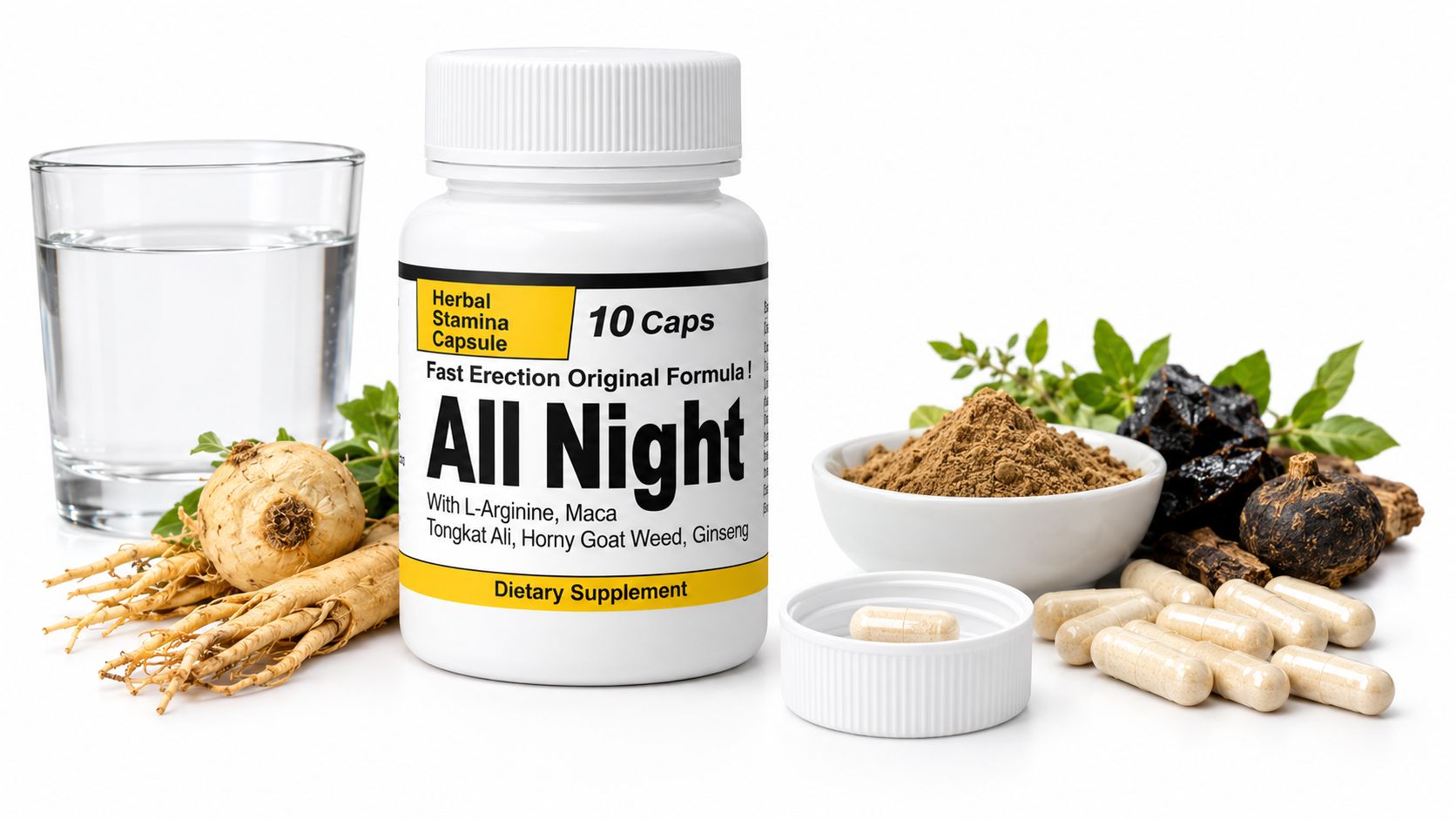
If you're weighing powders used alongside amino acids, keep the same discipline with amino acid powder. As a separate capsule-based option, All Night NexiHerb - Advanced Herbal Formula for Male Vitality & Daily Wellness provides a labeled 1000 mg herbal blend per capsule for adult men, with a suggested use of one capsule daily with water.
Use this short measuring routine:
- Identify the product form. Check whether the label describes a raw powder, extract, or standardized extract.
- Confirm the serving unit. Don't assume a teaspoon, scoop, or capsule-equivalent amount.
- Tare the container. Reset the scale before adding the powder.
- Measure the serving slowly. Avoid compressing or heaping the material.
- Log your intake. Note the product, amount, and time, especially when testing a new blend.
For a visual demonstration of the technique, this video provides an additional reference:
Mixing Techniques for Perfect Dispersion
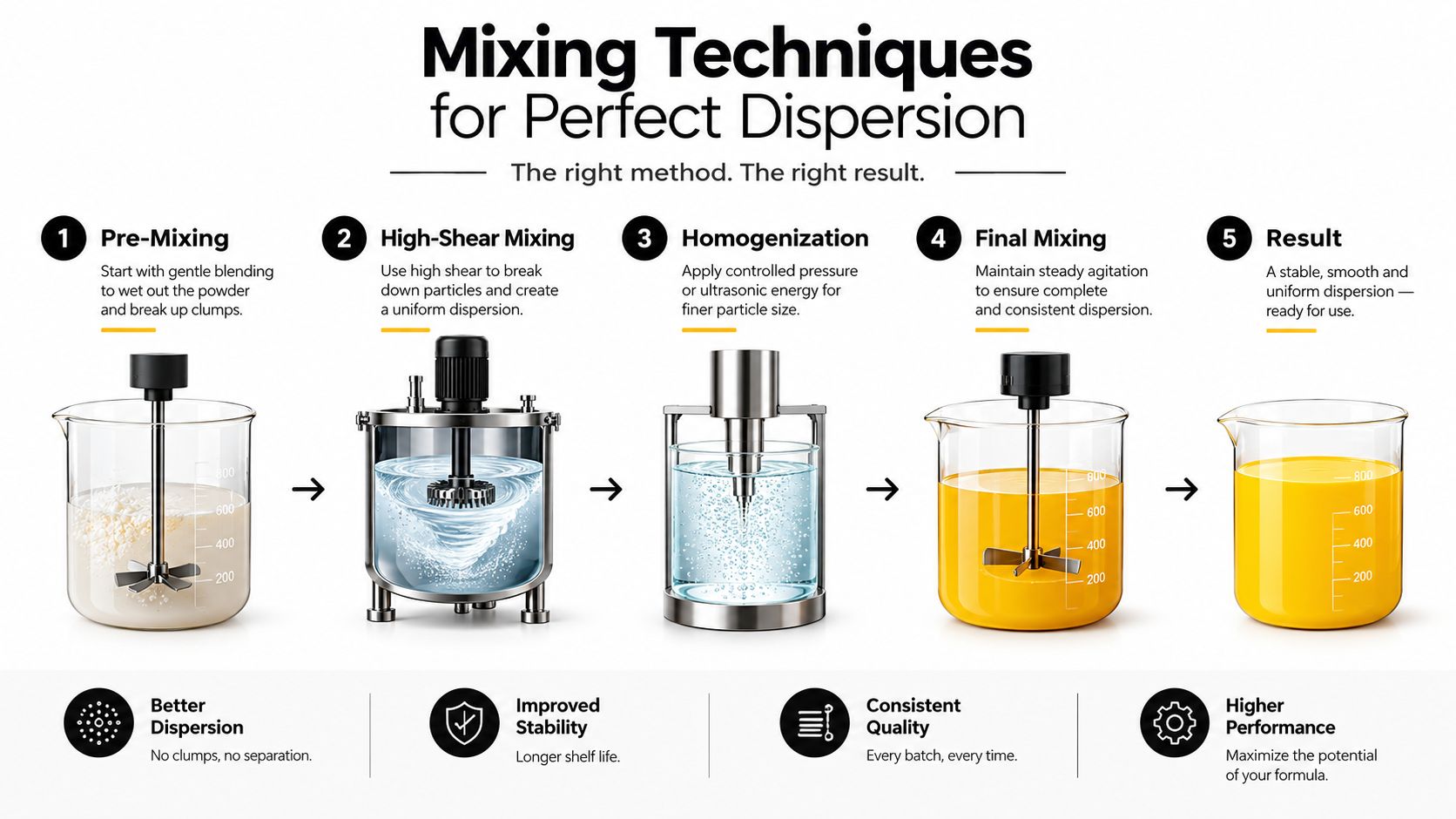
Raw herbal powders rarely dissolve completely in water. They form suspensions, with particles distributed through the drink before settling. A quick stir in a nearly full glass can leave dry pockets at the bottom. The opening sip may contain less powder than the final residue, creating an avoidable dosing gap.
Start with a small volume of liquid. Add the measured powder, pour in part of the drink, and stir or shake until it forms a smooth paste. Then add the remaining liquid. This staged approach wets the particles evenly and helps dense blends disperse before they settle.
Cold liquids usually create less foam and can make mixing easier. Shake a single powder vigorously for about 15 to 30 seconds. A dense multi-powder blend may homogenize in roughly 10 to 15 seconds with a blender (powder supplement mixing guidance).
Match the tool to the blend
A shaker bottle suits lighter powders. A handheld frother can break up surface clumps, although it may add foam. Use a blender for thick smoothies or combinations of several dense powders. Yogurt, nut butter, and similar bases need thorough blending rather than a few spoon strokes.
Prepare the drink immediately before taking it. Suspended particles separate as the mixture stands, making the serving less consistent. Mix, shake, and consume promptly. For difficult flavors, use a smaller volume, smoothie, warm porridge, or honey-based preparation when the product instructions allow it.
Fine tea-style powders follow the same dispersion principle, but their texture and preparation can differ. Guidance on matcha tea supplements offers a useful reference for agitation and texture without treating every botanical powder as identical.
Strategic Timing With Meals and Workouts
Timing should match the powder's chemistry and your reason for using it. A water-compatible powder can fit between meals, while fat-soluble vitamins and other fat-dependent constituents generally suit a meal containing dietary fat. This pairing addresses a common absorption gap in raw powders, which may provide inconsistent results when taken in plain water despite accurate measuring.
The meal can be simple. Eggs, yogurt, nuts, seeds, olive oil, or another dietary fat may create a better context than water alone. Check the label first, because some products are designed for food, while others specify different directions that should take priority.
Use the workout window carefully
For a powder intended to deliver quickly before exercise, taking it 30 to 60 minutes before exercise gives digestion time to begin before training. That timing does not guarantee a performance effect. It is a practical window, not proof that earlier or later use will produce the same result.
General daily-wellness powders do not need to follow a workout schedule. A repeatable routine, accurate measurement, and good tolerance matter more than choosing a dramatic time of day. If an empty stomach causes nausea or discomfort, take the powder closer to a meal unless the label specifically requires fasting. Persistent discomfort is a reason to stop and review the product, not evidence of improved absorption.
Build a schedule you can repeat
Use this decision sequence:
- Meal-dependent powder: Take it with a meal containing dietary fat when the formulation and label support that approach.
- Pre-workout powder: Mix it 30 to 60 minutes before exercise when rapid pre-exercise delivery is the stated purpose.
- General wellness powder: Choose a consistent time when you can measure, disperse, and consume the serving properly.
- Sensitive stomach: Pair it with food to improve tolerance unless the product specifically requires an empty stomach.
Powders can begin dissolving without a capsule shell, but faster dissolution does not automatically mean better absorption. Plant constituents still depend on water compatibility, food pairing, dispersion, and the product's formulation. A slightly slower routine that you follow accurately is more useful than a theoretically faster serving that you skip, measure inconsistently, or tolerate poorly.
Protecting Potency Through Proper Storage
Grinding exposes more plant surface area to air. That makes storage more demanding than it is for intact dried herbs. Moisture can cause clumping, encourage deterioration, and make it harder to measure a uniform serving. Light and heat can also degrade sensitive constituents over time.
Keep the container airtight, light-resistant, cool, and dry. Close the lid immediately after measuring, and don't hold the jar over a steaming mug or open it beside a boiling pot. A bathroom cabinet is a poor location because repeated humidity changes can reach the powder even when the room looks dry.
A simple storage routine
Store the original label with the product so you can identify the herb, lot information, serving guidance, and expiry details. Use a clean, completely dry scoop or spoon, and never return a portion that has touched water to the container. If you transfer the powder, use an opaque airtight container and record the product name and date.
The World Health Organization manufacturing guidance for herbal medicines emphasizes controlled drying, crushing, milling, and sifting, along with management of particle size and foreign matter. Those controls begin before the product reaches your cupboard, but your storage habits determine whether the final servings remain usable.
Watch for signs of moisture exposure, such as persistent hard clumps, an unusual smell, visible discoloration, or a container that repeatedly feels damp inside. Don't taste-test a questionable powder to decide whether it's safe. When storing dried botanical materials more broadly, Colorado Cultures' guidance on mushroom storage offers useful principles for limiting moisture, light, and air.
Navigating Safety and Medication Interactions
“Natural” describes an origin, not a safety profile. Herbal powders can contain active constituents, and the risks become harder to judge when you combine several products, use concentrated extracts, or take prescription medicines. Self-measuring also creates more room for error than a pre-measured capsule or tablet.
The awareness gap is substantial. In a 2025 survey, 65% of respondents reported using herbal supplements, but only 23.6% knew about possible medication interactions and 29.3% were familiar with proper dosage and usage instructions (2025 herbal supplement survey). Those findings support a conservative approach, especially for people who assume that frequent use equals informed use.
Check the combination before the first serving
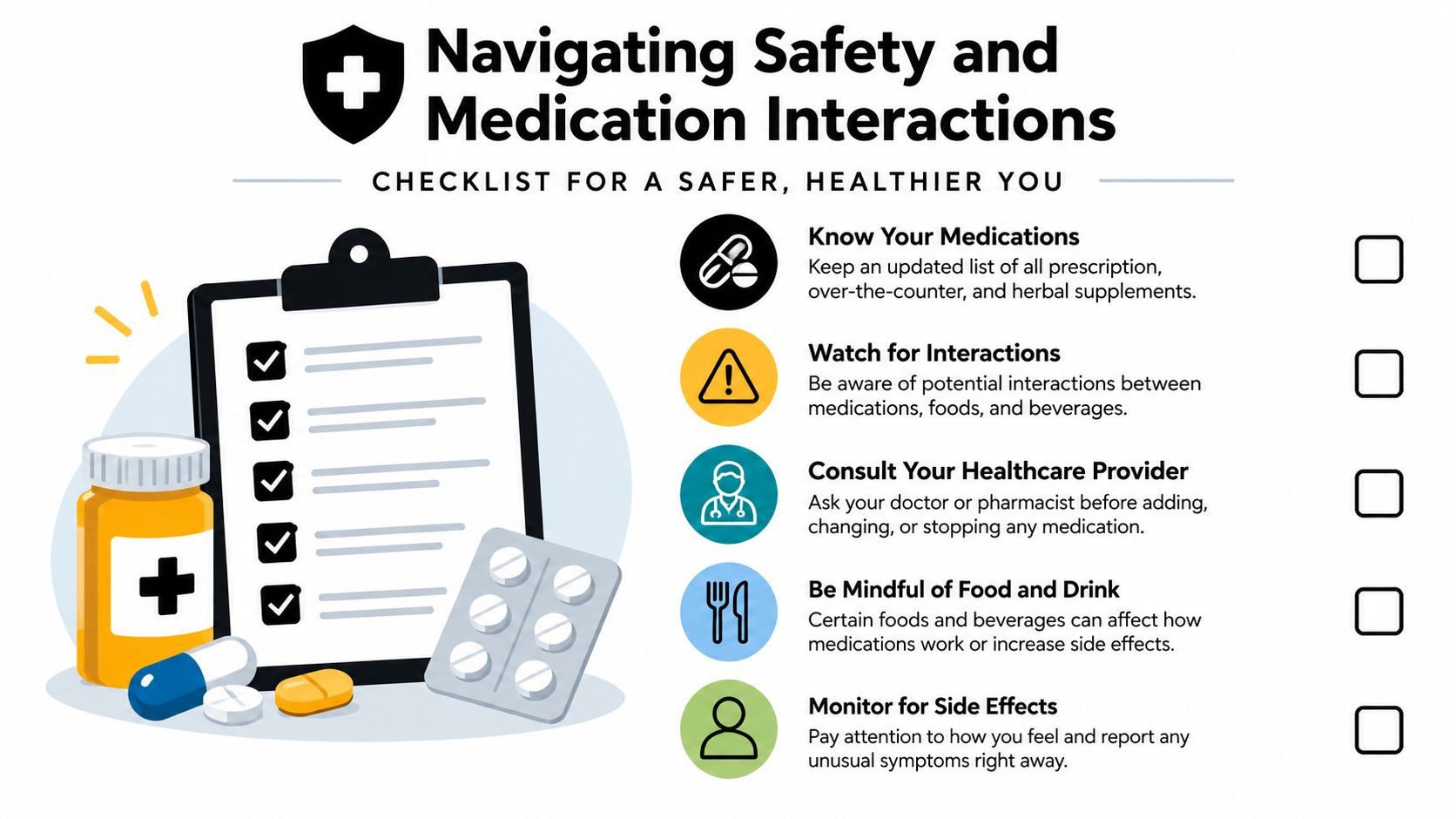
Before adding a powder, write down every medication, supplement, tea, and concentrated botanical product you use. Then check the full ingredient list, not only the front-label name. A clinician or pharmacist can help assess possible effects on bleeding, blood pressure, blood glucose, sedation, or medication metabolism, depending on the ingredients and your health history.
Use this checklist:
- List everything: Include prescription medicines, over-the-counter products, vitamins, minerals, and other herbs.
- Separate product forms: Record whether each item is a raw powder, extract, or standardized extract.
- Verify the serving: Follow the label rather than matching a scoop to another product.
- Ask before combining: Speak with a healthcare professional if you use medication, are pregnant or breastfeeding, have a chronic condition, or face a planned procedure.
- Monitor your response: Stop and seek professional advice if you develop a concerning reaction after starting a product.
Treat symptoms as information
Do not reduce or shift the dose in response to an unwanted effect without understanding the cause. A new headache, rash, digestive reaction, unusual bleeding, marked drowsiness, palpitations, or other concerning change deserves attention, particularly when several products were introduced together.
Introduce only one new powder at a time when possible. Keep a record of the product, measured serving, meal timing, and symptoms. That record gives your healthcare professional something more useful than a vague description of “taking herbs.”
NexiHerb LLC offers science-inspired dietary supplements, including herbal blends, amino acids, vitamins, omega-3s, antioxidants, and functional mushroom formulas designed to complement everyday wellness routines. Visit NexiHerb LLC to review clearly labeled options and choose a format that fits your measurement, timing, and safety plan.